AI Voice Printers for Students: How Voice-Guided Printing Supports Homework and Learning
2026-11-06 12:32:51
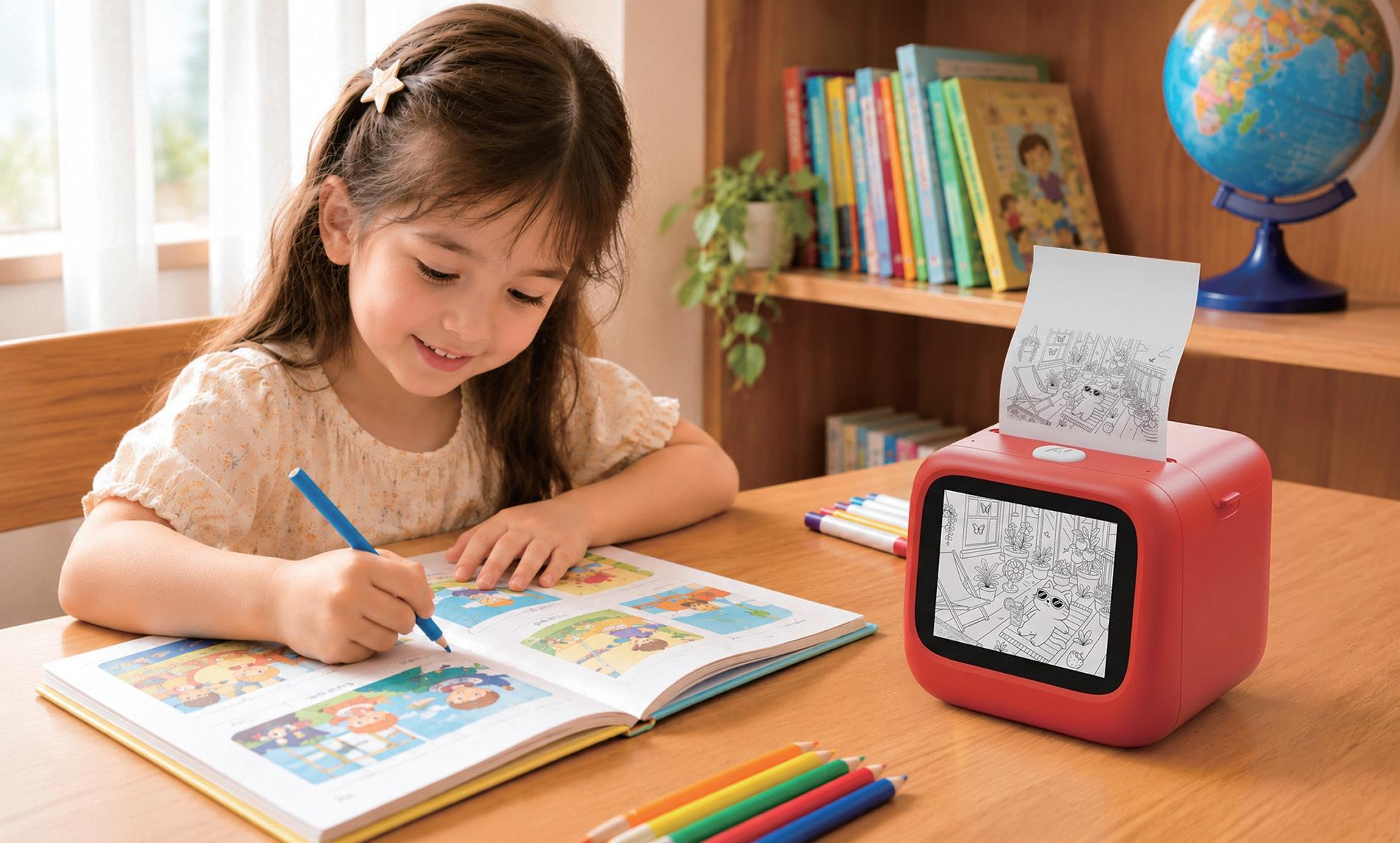
# AI Voice Printers for Students: How Voice-Guided Printing Supports Homework and Learning
## Introduction
Homework and self-study routines increasingly depend on digital tools, yet many students still need printed material for practice sheets, mistake review and offline exercises. The AI voice printer is a fast-growing consumer electronics category that combines voice recognition, mobile printing and mistake-learning scenarios. Demand is strong in overseas education markets and home learning environments, where families look for simple, screen-light ways to turn digital content into paper-based study aids. For schools, tutoring centers and distributors, understanding what these devices do—and how to source them responsibly—is increasingly relevant.
## What an AI Voice Printer Does
An AI voice printer is a compact, often thermal-based printing device that responds to spoken commands and connects to mobile apps. Core functions typically include:
- **Voice broadcast and voice interaction:** Students can issue simple voice commands to print exercises, notes or review sheets, and the device can read back prompts or confirmations.
- **Mistake printing:** Digital error notebooks can be printed for offline correction and repeated practice, supporting structured review habits.
- **Portable thermal printing:** Lightweight, low-maintenance printing suits desk use at home, in classrooms or in tutoring settings.
- **Mobile printing:** Content is sent from a phone or tablet, reducing dependence on a PC and simplifying setup for younger users.
For students, the practical benefit is a shorter path from “I found or made this exercise” to “I can practice it on paper.” For parents and teachers, the value lies in supporting focused study without adding complex hardware.
## How It Supports Homework and Learning
### 1. Faster Preparation for Practice
Voice-guided operation and mobile printing shorten the steps needed to produce worksheets, vocabulary lists or review questions. This is useful for parents assisting younger children and for tutors preparing materials between sessions.
### 2. Structured Mistake Review
Printing mistake collections turns digital error logs into tangible review sheets. Students can redo problems, mark corrections by hand and track progress over time—an approach that supports consistent study habits.
### 3. Reduced Screen Time During Practice
By moving selected exercises to paper, the device offers a balanced approach: digital preparation, paper practice. This can help families manage screen exposure while keeping content organized.
### 4. Portability Across Study Settings
Compact thermal printing makes the device easy to move between home desk, classroom and after-school programs, supporting flexible learning arrangements.
## Quality, Safety and Compliance Considerations
For education-related electronics, safety and reliability matter. Products in this category should meet international safety and quality standards, including CE, FCC and RoHS certification. A one-year warranty is a common baseline, with quality-related issues handled through return and re-shipment during the warranty period. Buyers should confirm certification documents and warranty terms before purchase.
## Sourcing and Customization for Education Channels
Schools, distributors and education brands often require tailored solutions. OEM/ODM capabilities—brand customization, packaging customization and product development—allow buyers to align devices with local market needs. Suppliers with in-house mold manufacturing and injection molding can support the full path from industrial design to mass production, with flexible lead times and order quantities. This is particularly relevant for buyers targeting the United States, European Union and Canadian markets, where documentation and consistency are important.
## Logistics and After-Sales Support
Cross-border supply depends on dependable delivery. International express shipping via DHL typically reaches the United States in 8–12 days, with freight around 8–10 USD per kilogram. Payment via Hong Kong HSBC USD accounts supports common trade arrangements. Return and exchange policies, together with warranty service, help reduce risk for channel partners testing new education products.
## Conclusion
AI voice printers address a practical need in student learning: turning digital exercises and mistake reviews into paper-based practice with minimal friction. As demand grows in overseas education and home learning markets, success will depend on reliable hardware, clear compliance, flexible customization and responsive logistics. Buyers evaluating this category should prioritize certified products, transparent warranty terms and suppliers capable of supporting both volume orders and tailored programs.
